MyPlate Food Groups: All 5, What Counts & How Much a Day
Fruits, vegetables, grains, protein, and dairy — the foods in each, plus what makes a cup or an ounce, straight from the USDA Dietary Guidelines 2020–2025.
 USDA Dietary Guidelines 2020–2025
Five food groups, explained
Fruits, vegetables, grains, protein foods, and dairy: what counts in each group, how much makes a cup or an ounce, and how much to aim for each day.
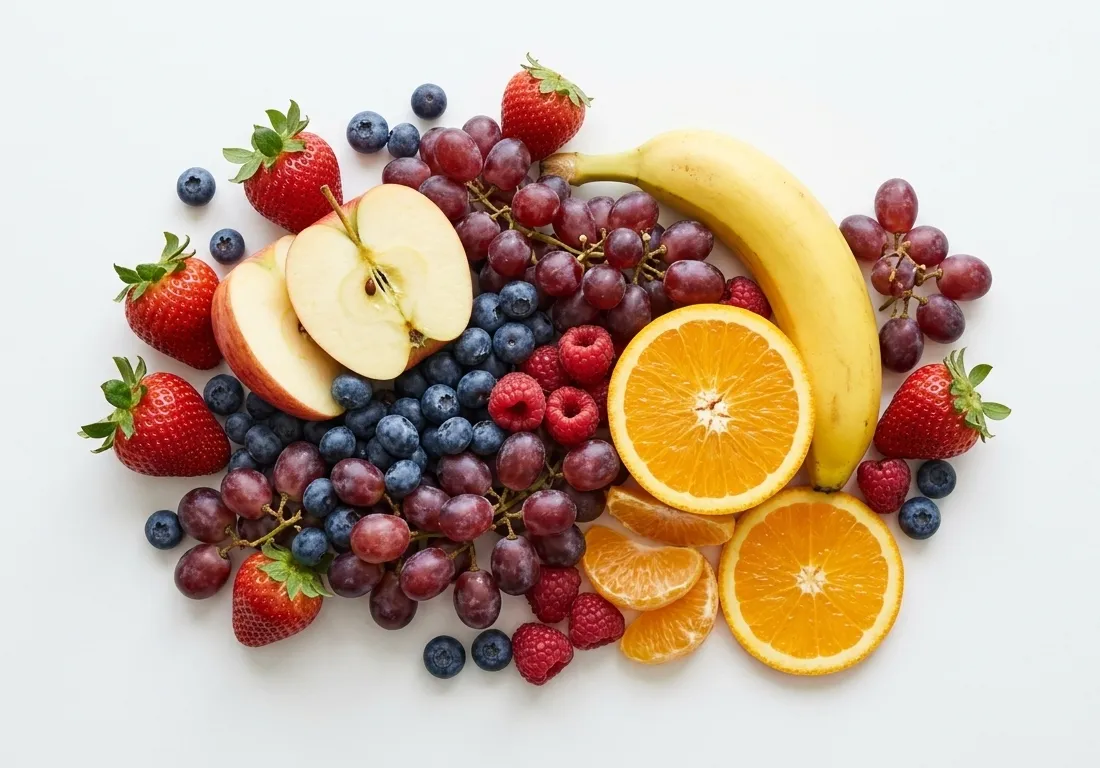
Fruits
Measured in cup-equivalents
Why it matters
Fruits are packed with vitamins C and A, potassium, and dietary fiber. Eating enough fruit is linked to lower blood pressure, reduced risk of heart disease and stroke, and better digestive health.
Focus on whole fruits: fresh, frozen, canned (in 100% juice), or dried. Limit fruit juice to no more than half of your total fruit intake.
What counts as 1 cup-eq?
Healthy tip
Choose fruits with different colors for a wider range of nutrients. Fresh or frozen fruits without added sugars are the best choices.
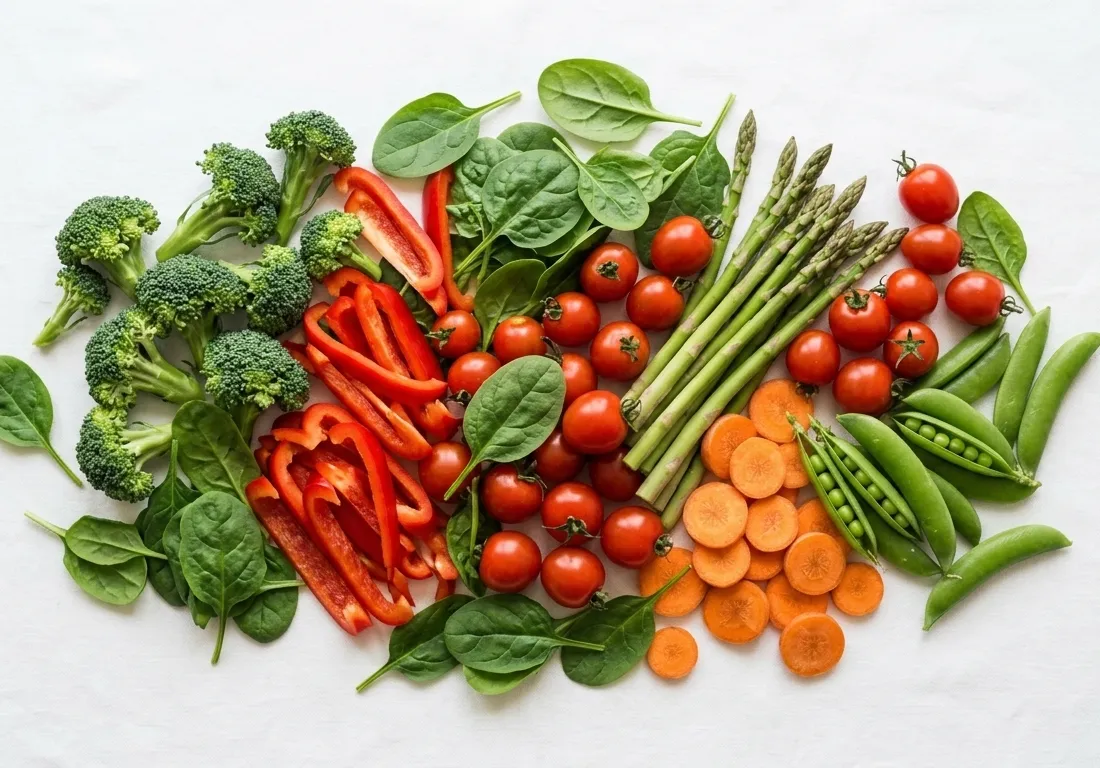
Vegetables
Measured in cup-equivalents
Why it matters
Vegetables provide essential nutrients like folate, vitamin A, vitamin C, and potassium, plus fiber that most people don't get enough of. Regular intake is associated with lower risk of chronic diseases including certain cancers and heart disease.
Eat a variety from all five vegetable subgroups: dark green, red and orange, beans/peas/lentils, starchy, and other vegetables.
What counts as 1 cup-eq?
Healthy tip
Vary your veggies. Dark green and red/orange vegetables are especially nutrient-dense. Beans and lentils also count toward the protein group.
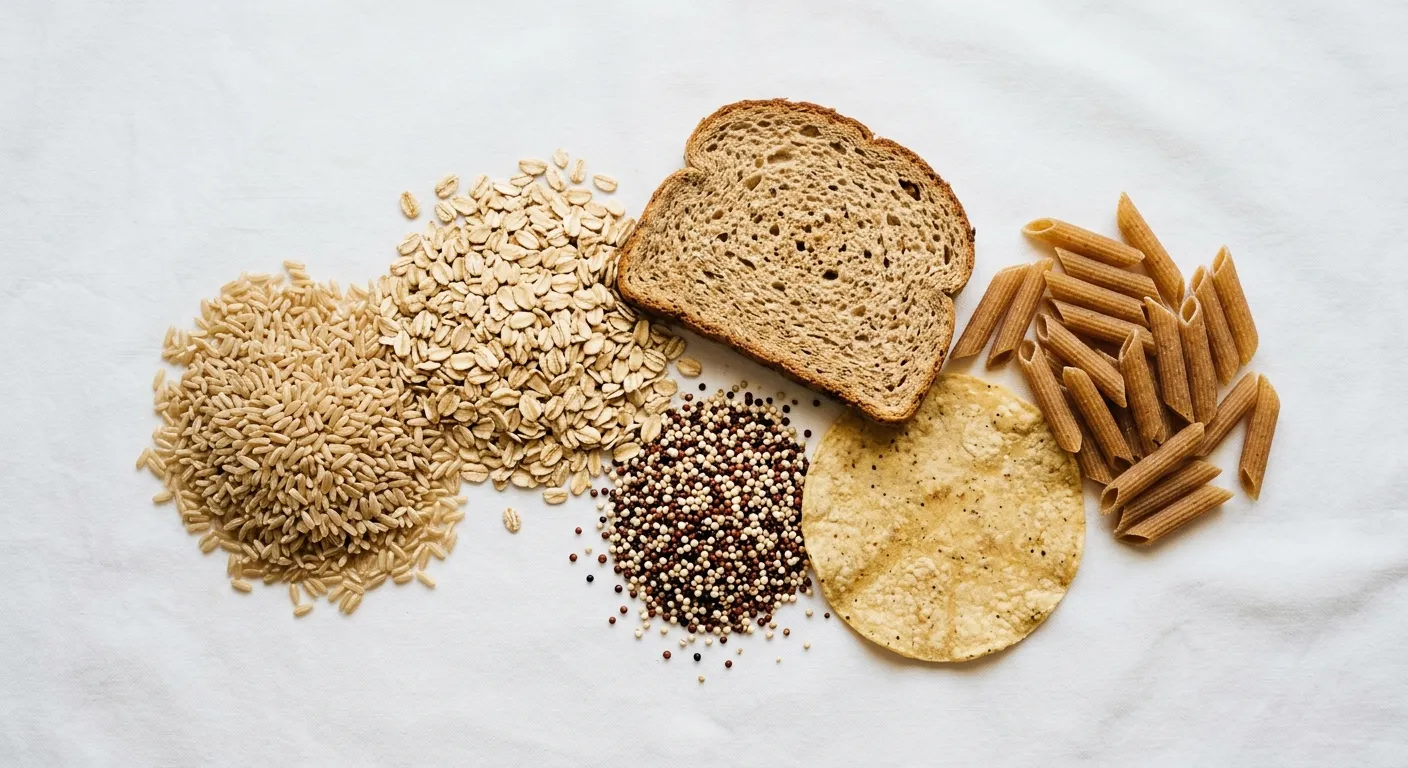
Grains
Measured in ounce-equivalents
Why it matters
Grains, especially whole grains, provide B vitamins, iron, magnesium, selenium, and fiber. They're your body's preferred energy source and help maintain healthy digestion and steady blood sugar levels.
Make at least half your grains whole grains. Whole grains contain the entire grain kernel: bran, germ, and endosperm.
What counts as 1 ounce-eq?
Healthy tip
Look for "whole" before the grain name in the ingredients list. Examples include whole wheat, oatmeal, brown rice, and quinoa.
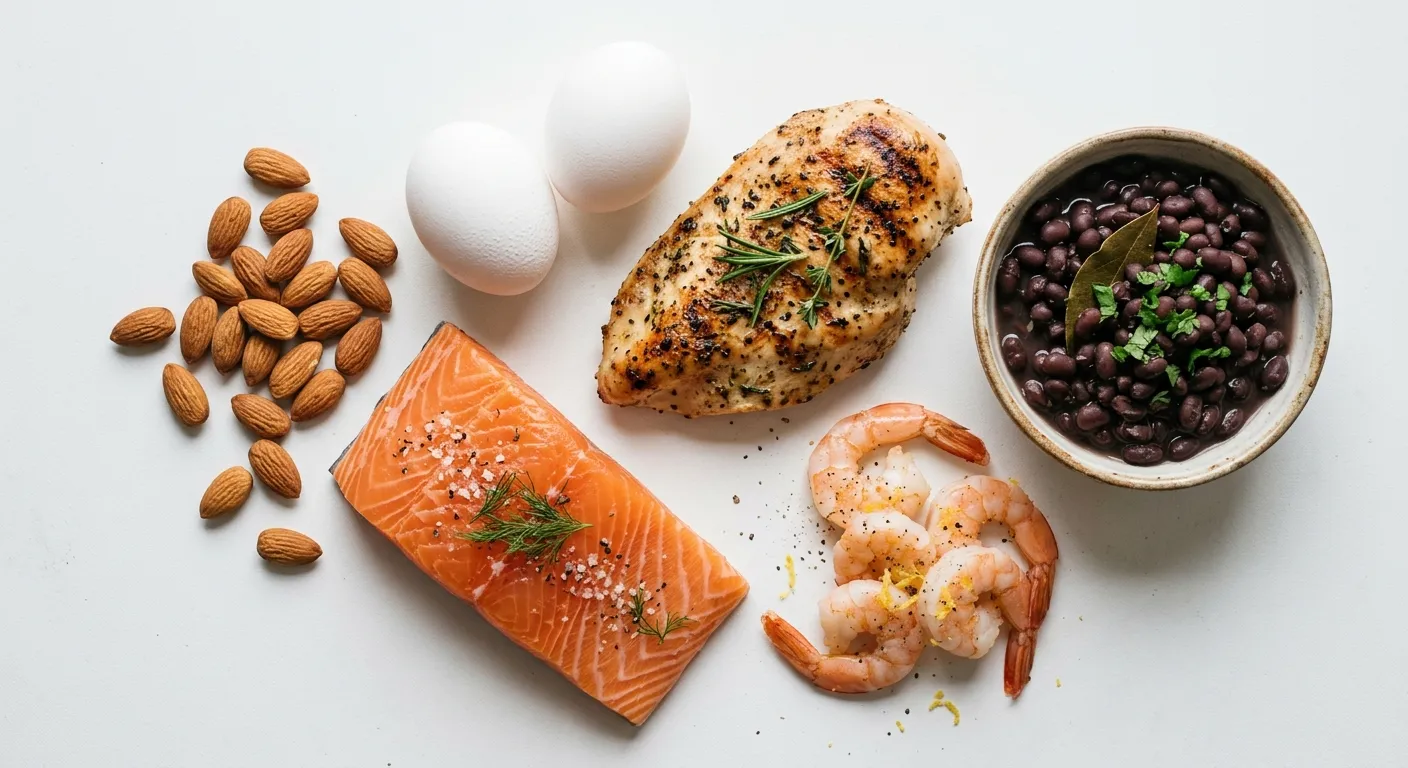
Protein Foods
Measured in ounce-equivalents
Why it matters
Protein is essential for building and repairing muscles, bones, skin, and blood. Protein foods also supply iron, zinc, B vitamins, and omega-3 fatty acids that support immune function and brain health.
Vary your protein routine. Choose a mix of seafood, lean meats and poultry, eggs, beans/peas/lentils, soy products, and unsalted nuts and seeds.
What counts as 1 ounce-eq?
Healthy tip
Eat at least 8 ounces of seafood per week (for a 2,000 calorie diet). Choose lean or low-fat meat and poultry. Select unsalted nuts and seeds.
Dairy
Measured in cup-equivalents
Why it matters
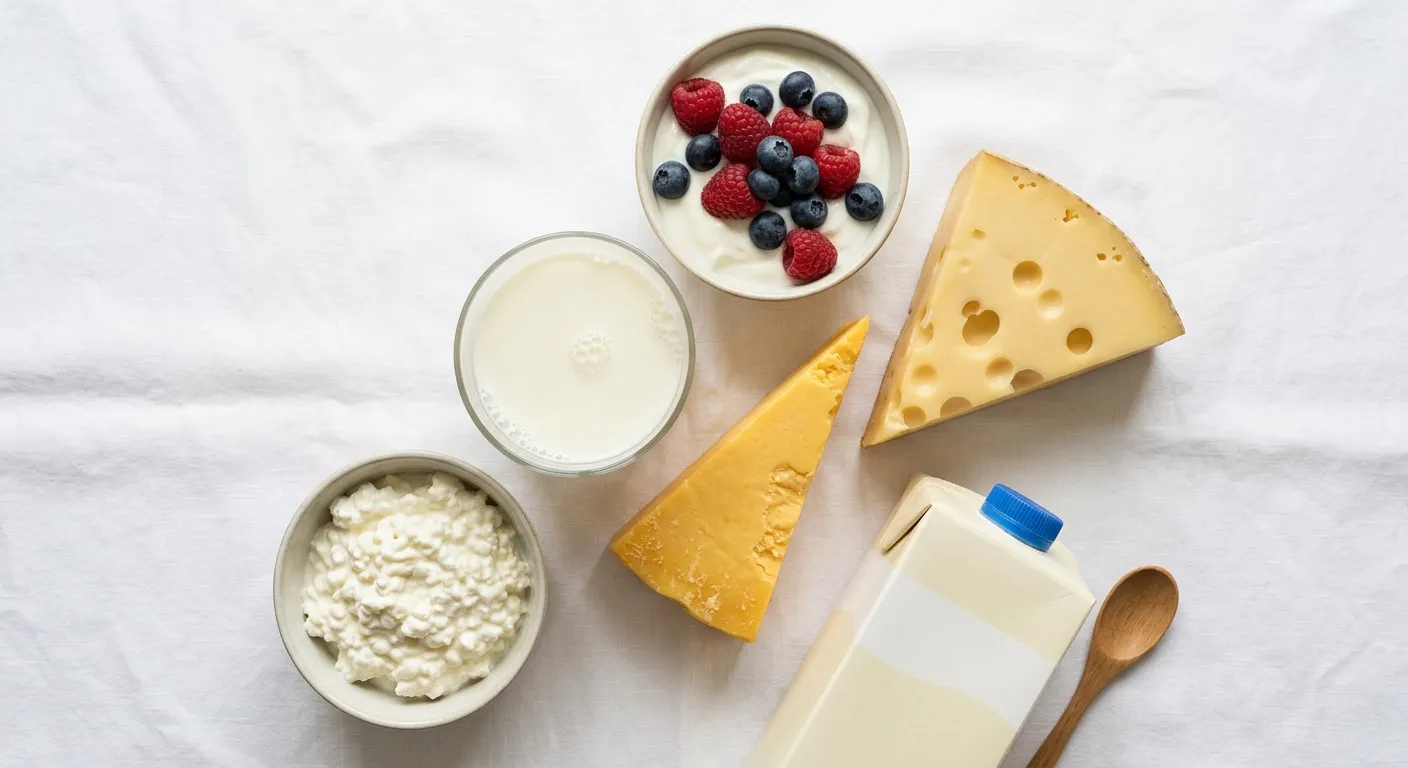
Dairy is the primary source of calcium in most diets, critical for strong bones and teeth. It also provides vitamin D, protein, potassium, and phosphorus, nutrients many Americans fall short on.
Choose fat-free or low-fat dairy, including milk, yogurt, and cheese. Fortified soy beverages and yogurt also count as dairy.
What counts as 1 cup-eq?
Healthy tip
Fat-free and low-fat dairy provide the same calcium and other nutrients with less saturated fat. Cream, butter, and cream cheese are not part of the dairy group.
Explore each food group
Go deeper on any group: the complete list of what counts, cup and ounce equivalents, and daily amounts by calorie level.

Fruits
What counts as fruit, how much equals a cup, and how many cups you need a day. Fruit is one of the five MyPlate food groups.

Vegetables
The five vegetable subgroups, what counts as a cup, and how many cups you need a day. Vegetables are one of the five MyPlate food groups.

Grains
Whole vs refined grains, what counts as an ounce-equivalent, and how much you need a day. Grains are one of the five MyPlate food groups.

Protein Foods
What counts as protein, what equals an ounce-equivalent, and how much you need a day. Protein foods are one of the five MyPlate food groups.

Dairy
What counts as dairy, what equals a cup, and how much you need a day. Dairy is one of the five MyPlate food groups.
Complete guide
What are the five MyPlate food groups?
MyPlate divides every meal into five food groups — Vegetables, Fruits, Grains, Protein Foods, and Dairy — shown as portions on a plate. Filling your plate from all five, in the right proportions, is the simplest way to eat a balanced diet. Here's what counts in each group, how much you need a day, and how to choose well.
Vegetables
Vegetables and fruits together fill half the plate. Any vegetable or 100% vegetable juice counts, and variety matters: MyPlate sorts them into five subgroups — dark green, red and orange, beans/peas/lentils, starchy, and other — and recommends eating across all of them through the week.
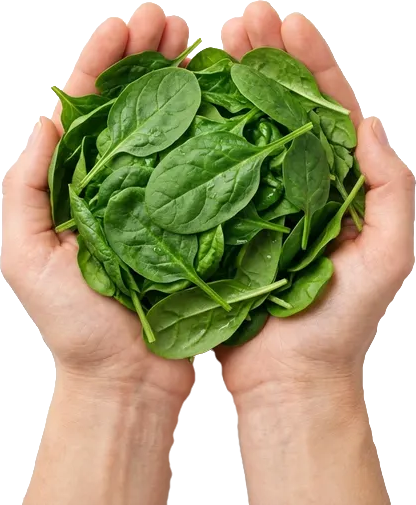
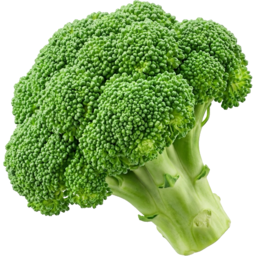
Most adults need about 2 to 3 cups a day. Examples: broccoli, spinach, carrots, sweet potatoes, tomatoes, bell peppers, and corn. Fresh, frozen, and canned all count equally — reach for no-salt-added or low-sodium cans where you can.
Fruits
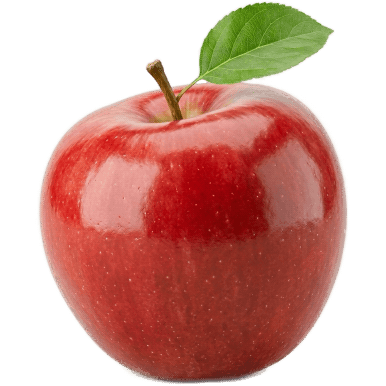
Any fruit or 100% fruit juice counts toward the Fruit group. Focus on whole fruit — fresh, frozen, canned in 100% juice, or dried — for the fiber that juice leaves behind. Most adults need about 1.5 to 2 cups a day.
Examples: apples, berries, oranges, bananas, grapes, and melon. A cup of fruit, or a half-cup of dried fruit, counts as one cup-equivalent.
Grains
Grains are split into whole grains and refined grains. Make at least half your grains whole grains — they keep the bran and germ, and with them the fiber, B vitamins, and minerals that refining strips out.
Most adults need 5 to 8 ounce-equivalents a day. One ounce-equivalent is a slice of bread, a half-cup of cooked rice, pasta, or oatmeal, or a cup of ready-to-eat cereal. Whole examples: whole-wheat bread, brown rice, oats, popcorn, and whole-grain tortillas.
Protein Foods
The Protein group is broad: seafood, lean meat and poultry, eggs, beans, peas and lentils, nuts, seeds, and soy products. Vary your choices, lean toward plant and seafood sources, and aim for seafood about twice a week.
Most adults need 5 to 6.5 ounce-equivalents a day. One ounce-equivalent is an ounce of cooked meat or fish, one egg, a tablespoon of peanut butter, a quarter-cup of cooked beans, or a half-ounce of nuts.
Dairy
The Dairy group includes milk, yogurt, cheese, and fortified soy milk and soy yogurt. Choose fat-free or low-fat options to get the calcium, potassium, and vitamin D without the extra saturated fat.
Most adults need about 3 cups a day. A cup-equivalent is 8 ounces of milk or yogurt, 1.5 ounces of hard cheese, or a cup of fortified soy milk.
How much of each group? Use the MyPlate Plan
The exact amounts depend on your age, sex, height, weight, and activity level. The free MyPlate Plan calculator on this site turns your profile into daily targets for all five food groups, using the IOM equations and USDA tables the federal MyPlate Plan tool was built on.
Test what you know
Ready to check your food-group knowledge? Take the free MyPlate quiz: short, multiple-choice questions on all five food groups, each with the correct answer and a short explanation as you go.
MyPlate food groups: frequently asked questions
What are the five MyPlate food groups?
How much of each food group should I eat a day?
What is an ounce-equivalent or a cup-equivalent?
Are beans a vegetable or a protein food?
What foods are in each food group?
How many food groups are there: five or six?
Keep exploring
How much of each group do you need?
Your recommended daily amounts depend on your age, sex, height, weight, and activity level. Find yours.