
Step 1: Pick your calorie level
Choose a ready-made plan from 1,200 to 2,500 calories a day, or run the free MyPlate calculator to find your number first.

Step 2: Choose a few recipes to batch
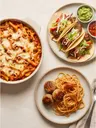
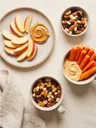
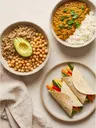
Pull two or three dishes from the recipe collections. Freezer meals and high-protein mains are good picks. Note their food groups and servings.
High-protein meal prep
160 recipes
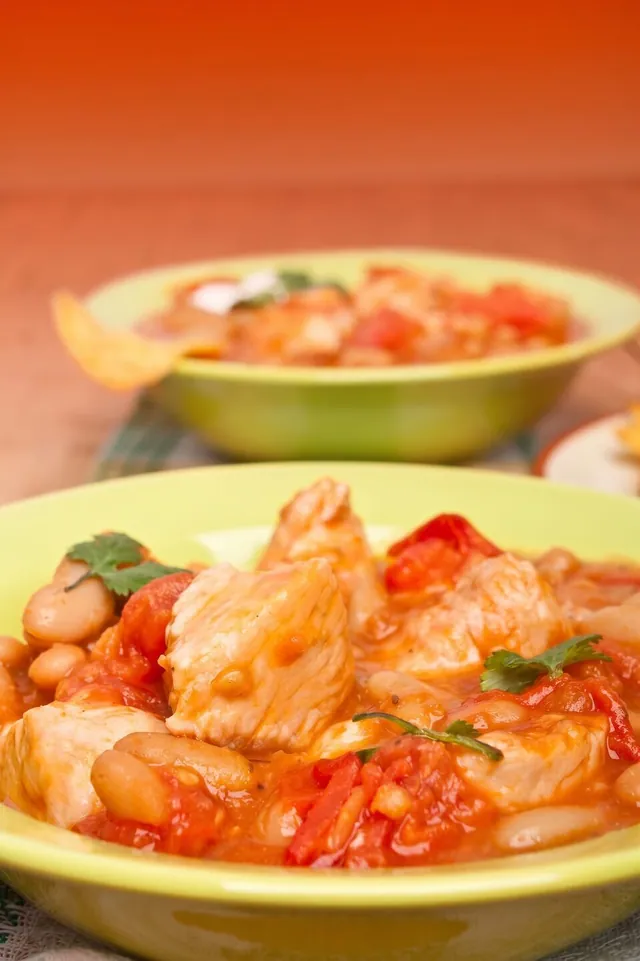
Soup
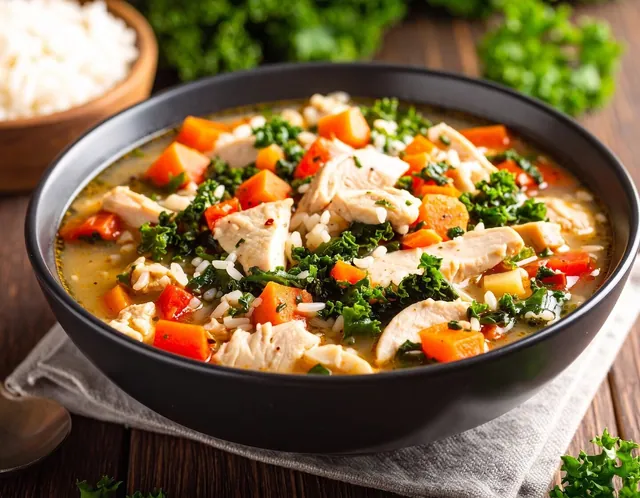
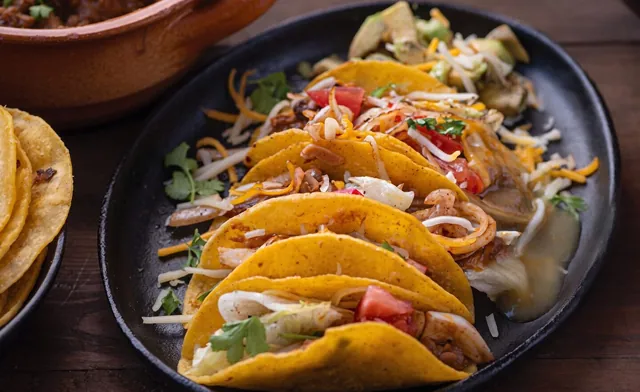
Chicken Soup with Chiles
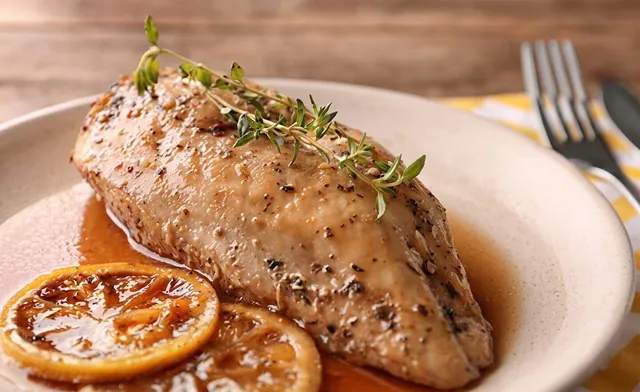
Main dish
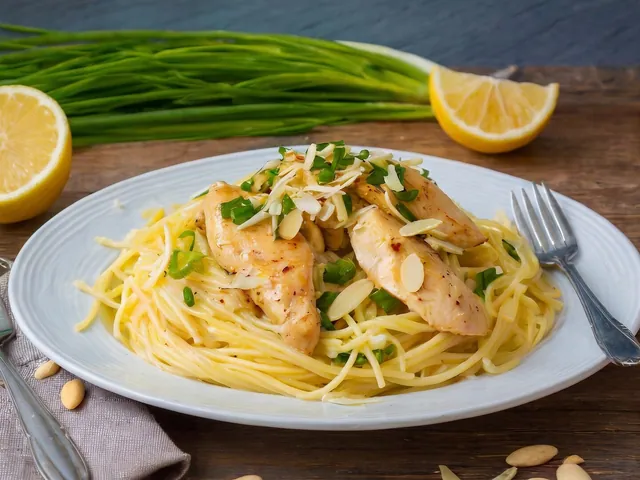
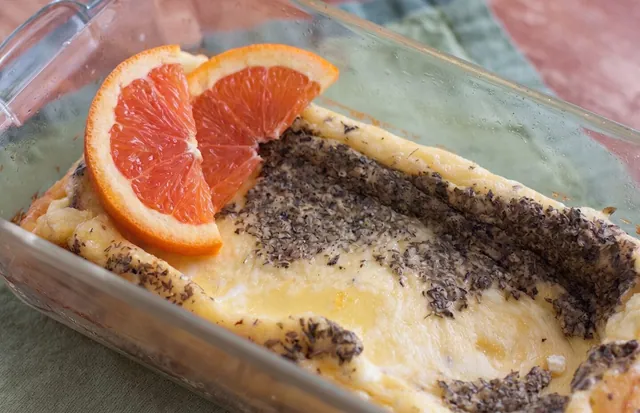
Baked Lemon Chicken
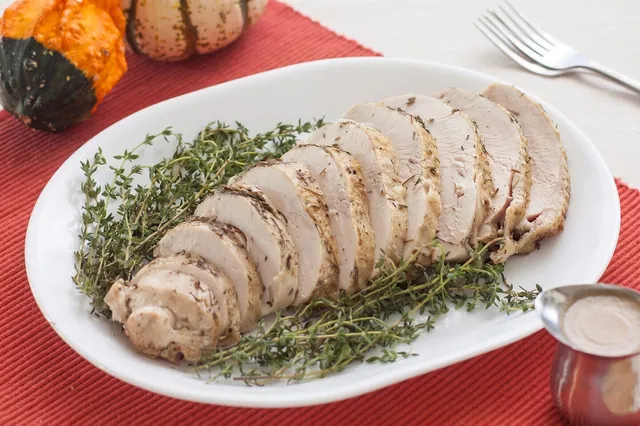
Main dish
Roast Turkey Breast with Rosemary, Sage, and Thyme
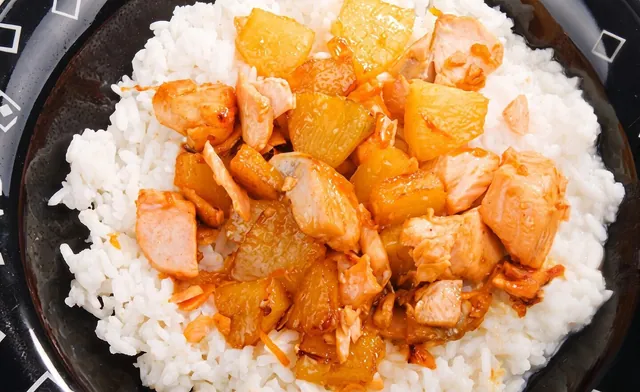
Main dish
Pineapple Chicken

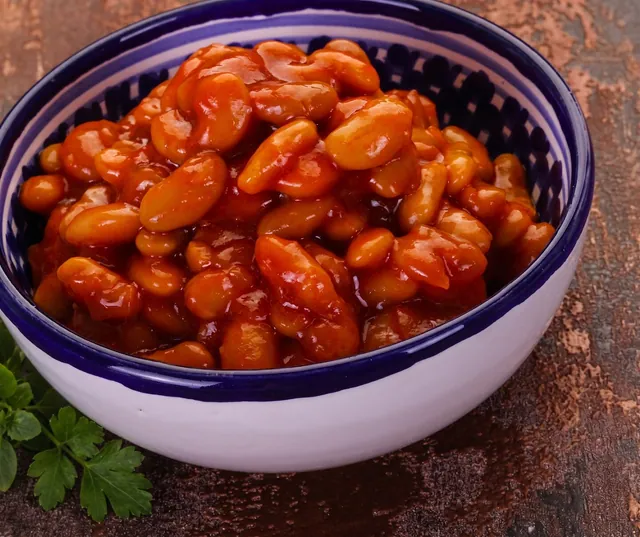
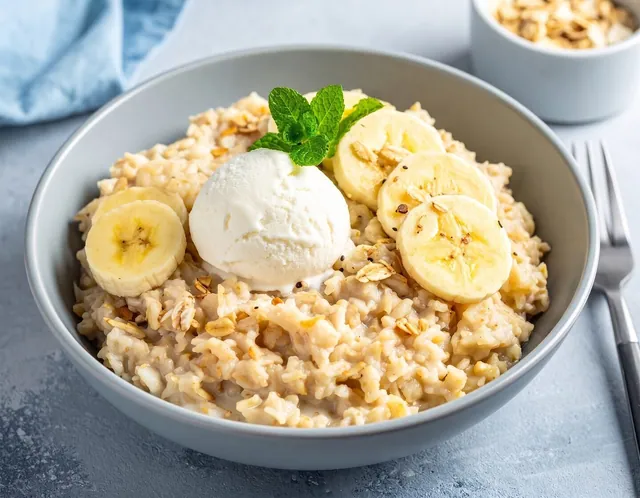
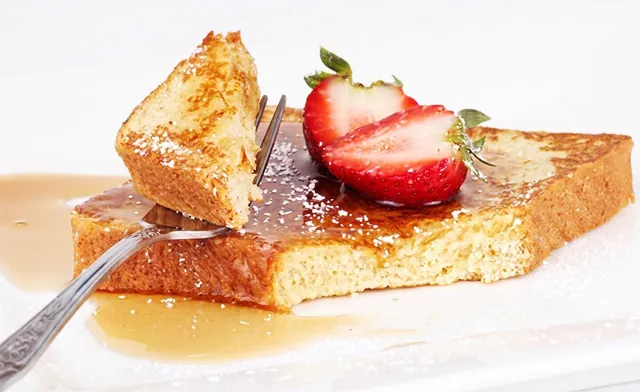
Healthy breakfast ideas
53 recipes
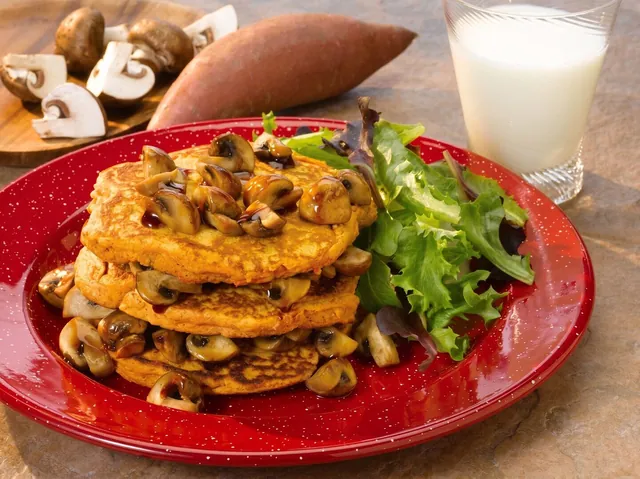
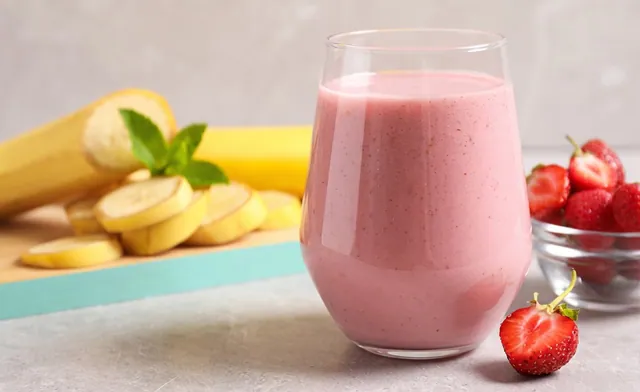
More collections to cook from
Or browse all 1,072 recipes
Step 3: Build your grocery list
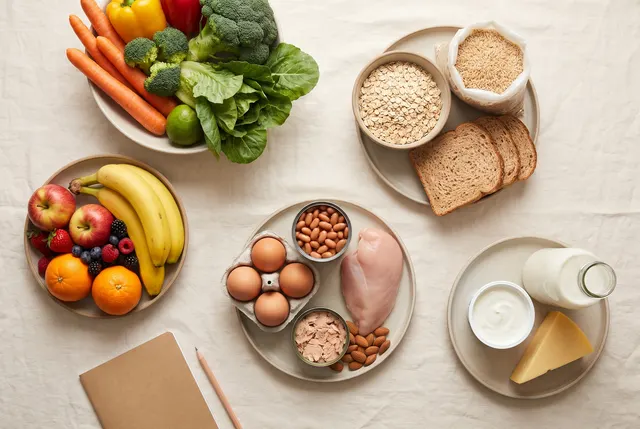
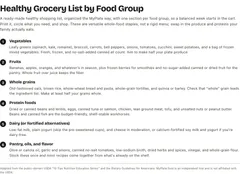
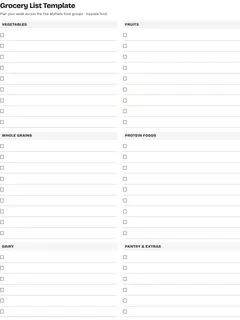
Print the healthy grocery list by food group, or a blank template, and add what your chosen recipes call for. One list, one trip.
Step 4: Batch-cook the staples
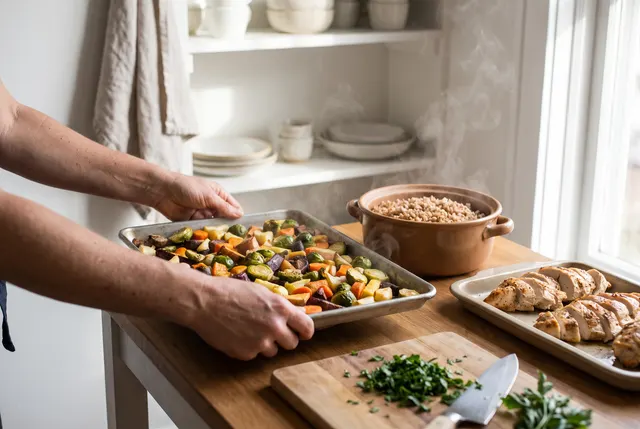
Cook grains, proteins and vegetables in big batches, then your one or two full recipes. Start whatever takes longest first, then cook the rest alongside it.
Start from a balanced week
Each ready-made plan spreads the week across all five food groups. Prep from it and your whole week stays balanced.
Batch the staples, not every dish
Cook a grain, a protein, and a vegetable or two in big batches. Add one or two full recipes, then mix and match all week.
Choose recipes that freeze well
Soups, stews, chili and casseroles double and freeze well. One cooking day can stock several weeks of meals. The freezer meals collection lists only these.
Portion to your calorie target
Every recipe shows calories and protein per serving. Use them to fill each container to your target.
Step 5: Portion and store
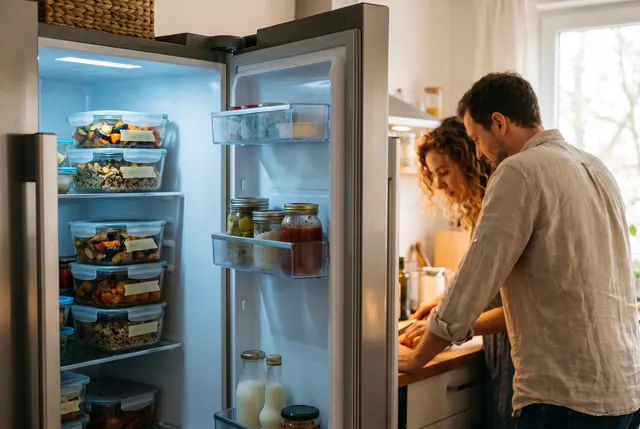
Divide everything into containers sized to your calorie target. Refrigerate what you'll eat in the next few days and freeze the rest, labeled with the date.
Meal prep FAQ
How do I start meal prepping?
Start small: pick one calorie-level plan, choose two or three recipes to batch, make one grocery list, and cook them in quantity on the weekend. Portion into containers and you have grab-and-go meals through the week. There's no need to prep every single meal from day one.
How long does meal prep last in the fridge?
Cooked meals and leftovers keep 3 to 4 days refrigerated at 40°F (4°C) or below, according to USDA Food Safety and Inspection Service. Prep for the next few days and freeze anything you'll eat later; reheat to 165°F (74°C) before serving.
Is meal prepping actually healthy?
It can be one of the easiest ways to eat well, because the deciding happens once, calmly, instead of nightly when you're tired. Prepping from a balanced plan means every container already covers the food groups. The plans and recipes here are built on the USDA Dietary Guidelines.
What foods are best for meal prep?
Foods that hold up and reheat well: whole grains, beans and lentils, roasted vegetables, and cooked proteins, plus one-pot soups, stews, and casseroles that freeze cleanly. The freezer-meals and high-protein collections are filtered to exactly these.
How many meals should I prep at once?
A practical starting point is three or four days' worth, enough to feel the payoff without food going to waste before you eat it. Freeze anything beyond that. As you learn what reheats well for you, scale up.